Sale and Leaseback Deals in Australia: A Buyer's Guide
In a sale and leaseback, a business that owns its premises sells the property and signs a lease over it at settlement, staying on as the tenant. The buyer acquires an investment with income from day one, and the vendor converts a fixed asset into working capital while keeping the premises it operates from.
These deals are common across Australian commercial property. Industrial owner-occupiers use them to fund plant and expansion, fuel and retail operators use them to recycle capital across networks of sites, and private business owners use them as part of succession planning. For a buyer, a leaseback can be one of the cleanest ways to acquire a long lease to a committed tenant. It can also be one of the easiest ways to overpay, because the vendor controls the two inputs that drive the price: the rent and the lease terms.
How a Sale and Leaseback Works
The vendor and buyer agree a sale price and, in the same transaction, agree the lease the vendor will sign as tenant. The contract of sale and the lease are usually executed together, with the lease commencing at settlement. The buyer settles on a fully tenanted investment and the rent starts flowing immediately.
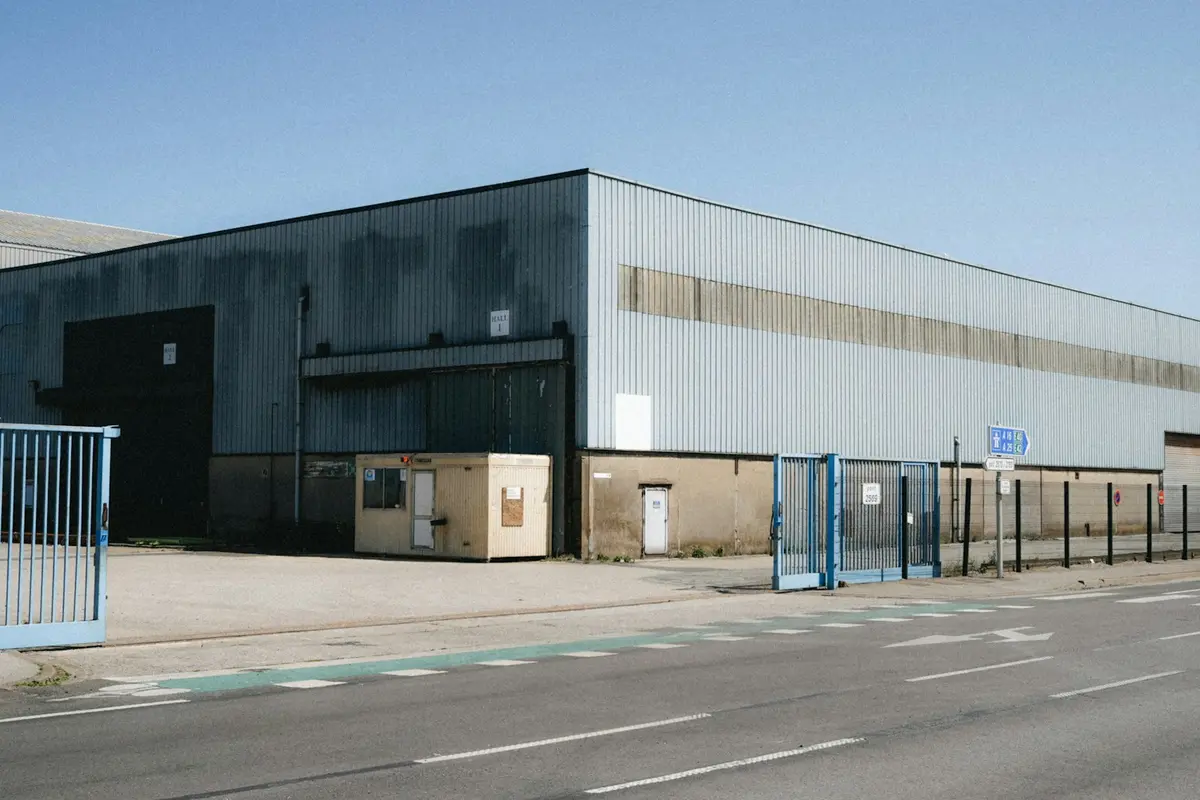
The structure appears across most asset classes. It is most common in industrial property (factories, warehouses, transport depots and manufacturing sites), and it also turns up in large format retail, service stations, medical premises, childcare centres and pubs, where the operating business and the real estate have historically been held together.
Why Owner-Occupiers Sell and Lease Back
The vendor's motives matter to the buyer, because they shape the lease being offered. The common reasons are:
- Releasing capital. Many businesses earn a better return deploying capital in their own operations than they earn holding the freehold. Selling the property funds equipment, acquisitions or expansion without new borrowing.
- Balance sheet management. The sale converts an illiquid asset into cash, can retire debt secured against the property, and moves the premises cost into a predictable rent line.
- Succession and exit planning. Separating the property from the trading business simplifies a later sale of the business, and lets a retiring owner realise the property value while the business continues in place.
- Certainty of tenure. A long leaseback with options gives the business continued control of premises it may have fitted out heavily, without the capital tied up in ownership.
None of these motives is a problem in itself. The question for a buyer is whether the lease reflects a genuine long-term commitment to the premises or a structure designed mainly to maximise the sale price.
What Buyers Gain
A well-structured leaseback offers a combination of features that is hard to assemble any other way.
A long WALE from day one
Leaseback terms of ten years or more are common, often with multiple options to renew. That gives the asset a long weighted average lease expiry from settlement, which supports the income profile and usually improves the financing terms available to the buyer.
A tenant with a real stake in the premises
The tenant chose the property, often built or fitted it for its own operations, and has usually occupied it for years. Relocation would be disruptive and expensive. That operational commitment is genuine, and it tends to outlast the lease negotiation.
Known building history
The vendor has operated from the building and knows its condition, its compliance history and its quirks. A buyer who asks the right questions during due diligence can get better information on a leaseback than on a standard tenanted sale, because the vendor and the tenant are the same party.
Lease terms drafted for an investor
Because the lease is created for the sale, it is usually drafted on institutional terms: a net structure with outgoings recovered, fixed or CPI-linked reviews, and formal make good provisions. Our guide to commercial lease types covers how those structures compare in practice.
The Risks Buyers Carry
Tenant concentration
Most leasebacks are single-tenant assets. The income, the occupancy and much of the value ride on one covenant. If the business fails, the buyer holds a vacant building and an unsecured claim in an administration or liquidation. The longer the lease, the more the price paid depends on that single tenant surviving the full term.
The vendor sets the rent
In an ordinary tenanted sale, the rent was negotiated at arm's length between a landlord and an unrelated tenant. In a leaseback, the vendor writes its own lease. Every extra dollar of rent capitalises into a higher sale price, so the vendor has a direct incentive to set the rent at the top of the plausible range, or above it. An above-market rent inflates the price, and that inflation unwinds at the first market review or at expiry, when the rent reverts to what an unrelated tenant would actually pay.
Purpose-built premises
Many leaseback assets were built for the vendor's specific operations. Heavy power, specialised hardstand, cool rooms, workshop pits or clinical fit-outs can suit the sitting tenant and very few others. The narrower the pool of alternative tenants, the weaker the fallback position if the leaseback ends early.
An information gap at the point of sale
The vendor knows the building and the business far better than the buyer does, and in a leaseback the vendor also controls the lease terms, the disclosed outgoings and the maintenance records. The information gap is wider than in a standard sale, and the due diligence burden is correspondingly heavier.
Pricing a Sale and Leaseback
Leasebacks are typically priced by capitalising the passing rent, which makes the rent the single most important number in the deal. Three checks protect the buyer.
Test the rent against the market
Obtain independent evidence of market rent for comparable premises: recent leasing deals in the same submarket, agency evidence, and a valuer's assessment where the deal size justifies it. If the leaseback rent sits meaningfully above the market range, the excess is effectively part of the purchase price, and it should be stripped out before the asset is valued. Price on the market rent and treat any difference as a temporary overage.
Look through the yield to the reversion
A leaseback showing an attractive yield on passing rent can be showing a much thinner yield on market rent. Work the numbers both ways. The capitalisation rate applied should reflect the covenant, the building and the lease structure, and a headline WALE by itself justifies very little. Long leases to strong tenants price tighter. Long leases to weak tenants deserve a discount for the risk that the term is never served in full.
Consider the vacant possession value
Ask what the property would be worth empty. For a generic warehouse in a tight industrial market, the vacant value may sit close to the investment value, and the covenant risk is modest. For a purpose-built facility in a thin market, the gap can be large, and that gap is exactly what the buyer is underwriting when it relies on the leaseback covenant.
Due Diligence on the Leaseback Covenant
Because the lease is new, there is no payment history to review. The covenant assessment has to be built from the business itself.
Identify the entity on the lease
Establish exactly which entity will sign as tenant and how it relates to the business that actually trades from the premises. A lease signed by a low-asset entity within a wider group is worth far less than a lease signed by the trading company or supported by a parent guarantee. Search the corporate structure through ASIC records, check for security interests on the Personal Property Securities Register, and confirm the tenant entity holds the licences the business needs to operate.
Financial evidence
Request financial statements for the tenant entity and any guarantor, ideally covering several years. Look at rent as a proportion of earnings, the trend in revenue and margins, and the level of debt. A vendor unwilling to provide financial information on a lease it wrote itself is telling you something about the covenant. The full framework in our guide to tenant due diligence applies here, with extra weight on one question: why is the business selling its premises now?
Security for the lease
Negotiate real security. A bank guarantee covering a meaningful number of months of rent, a parent company guarantee where the tenant is a subsidiary, or personal guarantees from the directors of a private company all convert part of the covenant risk into something the buyer can actually call on. Security requested after exchange is rarely granted, so settle it in the negotiation.
The lease document itself
Review the lease as carefully as the contract of sale. Key points include the review mechanism (fixed, CPI or market, and whether market reviews are capped or collared), the outgoings recovery, repair and make good obligations, permitted use, and any early termination or break rights. Assignment provisions deserve particular attention. A vendor planning to sell the business later will want freedom to assign the lease to a purchaser of that business, and the buyer will want the right to test the covenant of any assignee before consenting.
Working Through a Leaseback Opportunity
The quality of a sale and leaseback rests on two things the buyer must verify independently: whether the rent is a market rent, and whether the tenant can pay it for the full term. A workable sequence looks like this:
- Obtain the proposed lease and the tenant entity details before negotiating price.
- Commission independent market rent evidence and value the asset on both passing and market rent.
- Assess the covenant using financial statements, corporate structure searches and industry context.
- Negotiate security (bank guarantee, parent or director guarantees) before exchange.
- Review the lease terms with the same care as the contract of sale.
Handled this way, a leaseback can deliver what it promises: a long lease, a committed tenant and a stable income stream, bought at a price that still holds up if the rent reverts to market.