Most Australian property investors start with residential. It is familiar, well-understood, and backed by decades of cultural reinforcement that houses and apartments are reliable stores of wealth. Commercial property, by contrast, feels like a different world entirely -- one with bigger numbers, unfamiliar terminology, and risks that are harder to intuit.
But commercial property is not reserved for institutional investors or the very wealthy. Thousands of Australian individuals and self-managed super funds hold commercial assets ranging from small strata offices to suburban retail shops to industrial sheds. Many of these investors started with a single asset, often worth less than a house in the same suburb.
This guide is a practical, honest overview of what buying your first commercial property in Australia actually involves. It covers the major asset classes, how commercial leases work, how financing differs from residential, what due diligence looks like, realistic entry points, and the mistakes that cost first-time commercial investors the most money.
1 What Makes Commercial Property Different From Residential
The differences between commercial and residential property are not just about price or building type. They are structural -- affecting how income is generated, how leases are enforced, how properties are valued, and how lenders assess risk.
Valuation method. Residential properties are valued primarily on comparable sales -- what similar homes in the area have sold for recently. Commercial properties are valued primarily on income. The key metric is the capitalisation rate (cap rate), which expresses the property's net operating income as a percentage of its value. A commercial building earning $60,000 per year in net rent, valued at a 6% cap rate, is worth $1,000,000. If you can increase the income, you directly increase the value -- a concept that barely exists in residential property. For a deeper explanation of how cap rates work, see our guide to capitalisation rates.
Lease length and structure. Residential tenancies in Australia typically run for 12 months and are heavily regulated by state tenancy legislation that favours the tenant. Commercial leases run for three to ten years (sometimes longer), with built-in annual rent increases and option periods that can extend the total term to 15 or 20 years. Commercial leases are governed by contract law rather than residential tenancy acts, giving landlords significantly more contractual freedom.
Outgoings. In residential property, the landlord pays council rates, water, insurance, and strata levies. In commercial property, most or all of these costs are typically passed through to the tenant under the lease terms. This means the rent you receive is closer to your actual net income -- a significant advantage.
Vacancy risk. When a residential tenant leaves, finding a replacement usually takes two to four weeks. When a commercial tenant leaves, the property can sit vacant for months or even years, depending on the asset class, location, and market conditions. This is one of the most significant risks in commercial property and the reason diversification matters from day one.
Tenant quality assessment. Residential tenant screening looks at employment and rental history. Commercial tenant assessment is more like underwriting a business loan -- you analyse the tenant's financial statements, trading history, industry outlook, and the strength of any personal guarantees or bank guarantees provided under the lease.
2 The Major Commercial Asset Classes
Commercial property is not one market. It is several distinct markets, each with its own supply and demand dynamics, tenant profiles, and risk characteristics. Understanding these categories is essential before deciding where to start.
Office
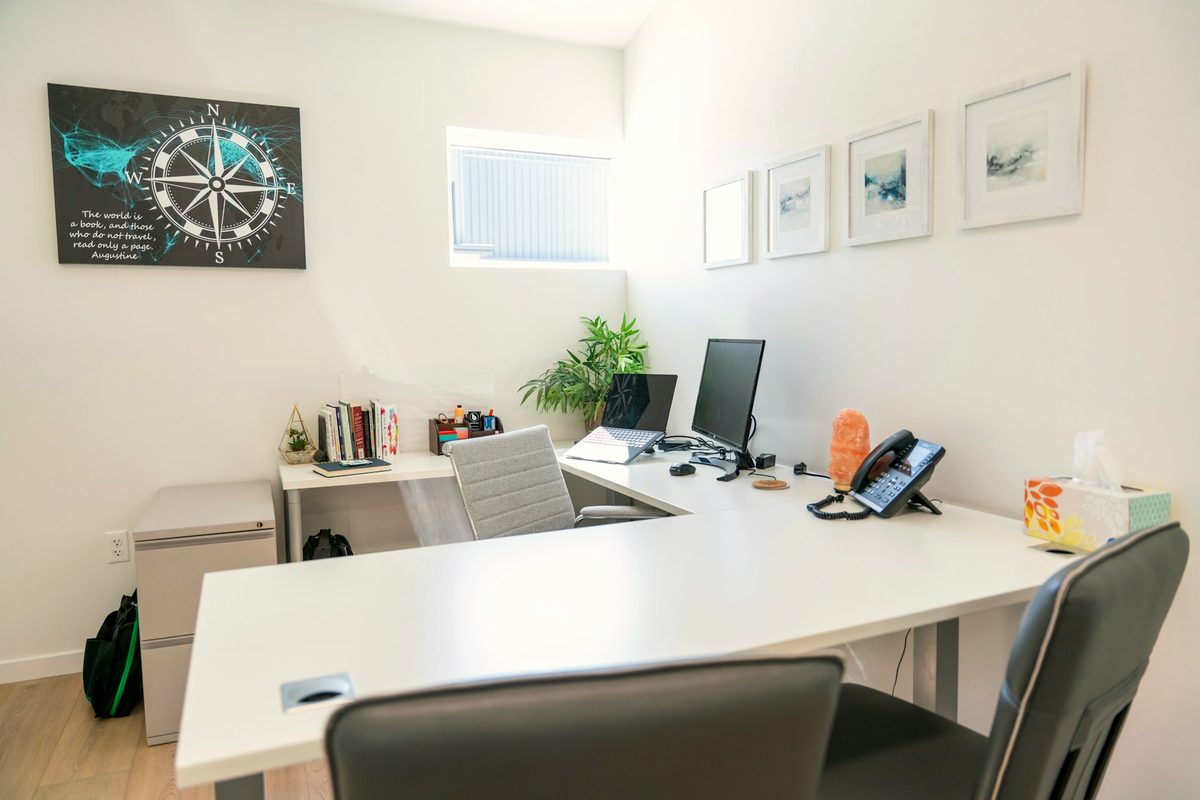
Office property ranges from CBD high-rises to suburban strata suites. For first-time investors, strata offices in metropolitan or regional centres are the most accessible entry point -- often priced between $250,000 and $600,000 for a single suite. The office market has faced structural headwinds since 2020 due to hybrid and remote working, with vacancy rates in some CBD markets remaining elevated. Suburban and fringe office markets have generally performed better, particularly medical and professional suites with dedicated parking. Office tenants tend to be professional services firms, accounting practices, financial planners, and medical practitioners.
Retail
Retail spans everything from neighbourhood strip shops to large format centres. Small retail premises on high-traffic strips -- cafes, hairdressers, takeaway food, medical, pharmacy -- are popular with first-time investors because they are tangible, easy to understand, and often located in familiar suburbs. Retail is highly sensitive to foot traffic, car parking, and the broader consumer spending environment. The best-performing retail assets tend to be those anchored by necessity-based services (food, medical, personal care) rather than discretionary spending categories. Entry prices for small suburban retail start from around $300,000 to $500,000 in many markets.
Industrial and Logistics
Industrial property has been the best-performing commercial asset class in Australia for much of the past decade, driven by e-commerce growth, supply chain reshoring, and chronic undersupply of modern warehouse and logistics space. Assets range from small strata warehouse units ($200,000 to $400,000) to standalone sheds and distribution centres worth millions. Industrial tenants tend to be trade businesses, wholesalers, logistics operators, and light manufacturers. Lease terms are typically solid, outgoings are relatively low, and maintenance costs are usually modest compared to office or retail. For a detailed look at this sector, see our industrial property investment guide.
Medical and Allied Health
Medical property is increasingly viewed as a distinct asset class rather than a subset of office. Purpose-built or converted medical suites benefit from strong demand fundamentals -- Australia's ageing population and growing healthcare expenditure create a reliable tenant base. Medical tenants (GPs, dentists, physiotherapists, specialists) tend to sign longer leases and invest heavily in fitout, making them sticky occupiers who rarely relocate. The downside is that purpose-built medical premises can be harder to re-lease if the tenant vacates, as the fitout may not suit the next occupier.
Childcare
Childcare centres are a niche but growing segment of the Australian commercial market. They typically trade on yields of 4.5% to 6%, reflecting the long lease terms (often 15 to 20 years) and the essential-service nature of the business. Many childcare investments are sold as going concerns or purpose-built facilities leased to established operators. Entry prices vary widely but purpose-built centres in metropolitan areas commonly sell for $2 million to $5 million, putting them beyond most first-time investors unless purchased through an SMSF or syndicate structure.
Your first commercial property does not need to be a trophy asset. A well-located strata warehouse, a suburban office suite with a solid tenant, or a strip-shop with a long lease can all be excellent starting points -- and teach you more about commercial investing than any textbook.
3 How Commercial Leases Work
The lease is the single most important document in commercial property. It determines your income, your costs, your rights as a landlord, and your exposure to risk. Understanding lease structures is not optional -- it is foundational. We have a detailed breakdown of commercial lease types, but here is the core framework.
Gross Lease
Under a gross lease, the tenant pays a single rental figure and the landlord pays all property outgoings -- rates, insurance, maintenance, and management. The landlord builds these costs into the rent amount. This structure gives the tenant simplicity and the landlord full responsibility for cost management. Gross leases are common in older office buildings and some retail premises. The risk for the landlord is that outgoings can increase faster than the fixed rent escalations in the lease, squeezing net income over time.
Net Lease
A net lease requires the tenant to pay base rent plus some or all of the property's operating expenses. The specific costs passed through to the tenant are defined in the lease. In a single net lease, the tenant typically pays property tax (council rates) on top of rent. In a double net lease, the tenant pays rates and insurance. These structures are less common in Australia than the full net or triple net model.
Triple Net Lease (Net-Net-Net)
Under a triple net lease, the tenant pays all operating expenses -- council rates, water, insurance, maintenance, repairs, and sometimes structural maintenance as well. The landlord receives a clean net income with virtually no variable expenses. This is the gold standard for passive commercial income and is the dominant lease structure for standalone industrial, retail, and childcare assets in Australia. The trade-off is that the base rent on a triple net lease is typically lower than the gross rent on an equivalent gross lease, because the tenant is absorbing all the cost risk.
Key Lease Terms to Understand
- Rent reviews. Most commercial leases include annual or biennial rent reviews. These can be fixed percentage increases (commonly 3% to 4% per annum), CPI-linked increases, or market reviews. Market reviews introduce uncertainty -- the rent could go up or down based on comparable evidence at the review date.
- Options. A lease might be structured as 5+5+5 -- a five-year initial term with two five-year options for the tenant to renew. Options give the tenant security but create uncertainty for the landlord about future vacancy.
- Bank guarantees. Commercial leases typically require the tenant to provide a bank guarantee or security deposit equivalent to three to six months of rent plus outgoings. This protects the landlord if the tenant defaults.
- Make-good clauses. These require the tenant to return the premises to an agreed condition at lease end -- usually the original state before fitout. This can be a valuable protection or a point of dispute, depending on how clearly the clause is drafted.
- Permitted use. The lease specifies what the tenant can use the premises for. This interacts with council zoning and can affect your ability to re-lease the property if the current tenant vacates.
4 How Commercial Financing Differs From Residential
If you have only ever financed residential property, commercial lending will feel like a different world. The requirements are stricter, the costs are higher, and the assessment process is more involved.
Deposit requirements. Most commercial lenders require a minimum 30% deposit, compared to 10% to 20% for residential (or even 5% with lenders mortgage insurance). Some lenders will go to 70% loan-to-value ratio (LVR) for strong assets with long leases to quality tenants, but 65% LVR is more common, and weaker assets may only attract 50% to 60% LVR.
Interest rates. Commercial interest rates typically run 0.5% to 2% higher than equivalent residential rates, reflecting the additional risk lenders assign to commercial assets. As of early 2026, commercial rates from major banks sit broadly in the 6.5% to 8% range depending on the asset, lease quality, and borrower profile.
Loan terms. Residential mortgages routinely run for 25 to 30 years. Commercial loans are typically structured with a 15 to 25-year amortisation period but a 3 to 5-year review or expiry term, at which point the loan must be refinanced or renegotiated. This refinancing risk is an often-overlooked cost of commercial ownership.
Assessment criteria. Residential lending is primarily assessed on the borrower's personal income. Commercial lending gives significant weight to the property's income -- specifically, the lease terms, tenant quality, and the debt service coverage ratio (DSCR). Lenders want to see that the property's net income covers the loan repayments by a comfortable margin, typically 1.3 to 1.5 times.
SMSF lending. Commercial property purchased through a self-managed super fund requires a limited recourse borrowing arrangement (LRBA). These loans typically offer lower LVRs (60% to 70%), slightly higher rates, and require the property to be held in a separate bare trust. The compliance requirements are strict but the structure is widely used -- particularly by business owners who lease their own commercial premises from their SMSF. For full details, see our SMSF property investment guide.
The higher deposit requirement is the single biggest barrier for first-time commercial investors. But it also means you start with more equity, reducing your exposure to negative equity if the market softens. Commercial lending is conservative by design -- and that conservatism protects you as much as it constrains you.
5 Due Diligence: What You Must Check Before Buying
Due diligence on a commercial property is more involved than on a residential purchase. The stakes are higher, the variables are more complex, and the cost of missing something can be severe. Our full commercial due diligence checklist covers every item, but here are the essentials.
Lease review. Read every lease in full. Do not rely on the agent's summary or the vendor's representations. Check the rent amount, review mechanisms, outgoings recovery, option dates, make-good obligations, permitted use, assignment and subletting rights, and any special conditions. Have a commercial solicitor review the lease independently.
Tenant financial health. Request the tenant's financial statements for the past two to three years. For corporate tenants, search the ASIC register to confirm the entity is active and check for any court judgments or winding-up applications. A property is only as valuable as the tenant's ability to pay the rent. For more on this topic, see our guide on tenant due diligence for commercial property.
Building condition. Commission an independent building inspection by someone experienced with commercial structures. Check for structural issues, roof condition, HVAC systems, fire compliance, asbestos (common in buildings constructed before the mid-1980s), accessibility compliance, and any deferred maintenance that will become your problem after settlement.
Zoning and compliance. Verify the property's zoning with the local council and confirm that the current use is lawfully permitted. Check for any development applications on adjoining sites that could affect the property's value or amenity. Confirm that all existing structures have proper building approvals.
Environmental assessment. For industrial and some retail properties, environmental contamination is a real risk. Previous uses involving chemicals, fuel, or manufacturing can leave contamination that the current owner (you) may be liable to remediate. An environmental site assessment (ESA) is essential for any property with an industrial history.
Outgoings verification. Request actual outgoings statements for the past three years. Compare the vendor's disclosed outgoings to the council rate notices, insurance certificates, and maintenance records. Vendors sometimes understate outgoings to make the net income appear higher than it is.
Title and encumbrances. Your solicitor should search the title for easements, caveats, covenants, and any other encumbrances that could affect the property's use or value. Check for any Section 173 agreements (in Victoria) or similar planning overlays in other states that restrict future development or use.
6 Realistic Entry Points for First-Time Investors
One of the most common misconceptions about commercial property is that you need millions of dollars to get started. While institutional-grade assets certainly command those prices, there are genuine entry points at much lower levels.
Strata industrial units: $200,000 to $500,000. Small warehouse or workshop units in industrial estates are one of the most accessible commercial asset types. They typically attract trade-based tenants on net leases with yields of 5% to 7%. Maintenance costs are low, the structures are simple, and demand for small industrial space has been consistently strong across most Australian markets.
Strata office suites: $250,000 to $600,000. Individual office suites in commercial buildings offer a straightforward entry point, particularly in suburban or regional centres. Medical suites tend to command higher rents and attract longer leases. The key risk is vacancy -- small office space in a weak location can sit empty for extended periods.
Strip retail shops: $300,000 to $700,000. Neighbourhood retail premises on established shopping strips offer the combination of commercial yield and a tangible, visible asset. The best-performing shops are those leased to essential-service tenants -- pharmacies, medical practices, food outlets, convenience retail -- in areas with strong foot traffic and residential density.
Regional commercial: $200,000 to $500,000. Regional towns often offer commercial property at a fraction of metropolitan prices, with higher initial yields. The trade-off is a smaller tenant pool and potentially longer vacancy periods if the tenant leaves. Regional commercial works best when the property serves a local need that is unlikely to disappear -- a pharmacy, a medical centre, a government services office.
Commercial syndicates and funds: $50,000 to $100,000. If direct ownership is beyond your current reach, commercial property syndicates and unlisted funds offer fractional exposure to larger, higher-quality assets. You sacrifice control and liquidity in exchange for professional management and diversification. These structures suit investors who want commercial exposure while they build capital toward direct ownership.
7 Common Mistakes First-Time Commercial Investors Make
The commercial market is less forgiving than residential, and the learning curve is steeper. These are the mistakes we see most frequently among first-time buyers.
Buying on yield alone. A high yield can indicate a strong income stream, but it can also indicate a market pricing in significant risk -- a weak tenant, a short lease, a poor location, or a building with deferred maintenance. A property yielding 9% sounds appealing until you discover the tenant is on a month-to-month holdover and the roof needs replacing. Always interrogate the reason behind the yield.
Ignoring the lease expiry profile. A property with two years remaining on the lease is a fundamentally different proposition from the same property with eight years remaining. Short lease terms create re-leasing risk, potential vacancy, and the possibility that you will need to offer incentives (rent-free periods, fitout contributions) to attract a new tenant. Factor the lease expiry into your purchase price and your cash flow modelling.
Underestimating vacancy costs. When a commercial property is vacant, you are not just losing rent -- you are paying rates, insurance, security, and maintenance out of pocket while receiving no income. Model a realistic vacancy scenario in your cash flow analysis. What happens if the property sits empty for six months? Twelve months? Can you fund those costs without selling?
Skipping proper due diligence. The temptation to cut corners on due diligence is strongest when a property looks like a good deal and you are worried about losing it to another buyer. This is precisely when thorough due diligence matters most. Environmental contamination, undisclosed building defects, non-compliant structures, and unfavourable lease terms can each cost tens of thousands of dollars or more to resolve after settlement.
Overleveraging. Commercial lenders are more conservative than residential lenders for good reason. If you stretch yourself to the absolute limit of what a lender will approve, you have no margin for vacancy, rate increases, or unexpected capital expenditure. The properties that cause the most financial stress are those purchased at maximum leverage with no cash buffer.
Not getting specialist advice. Residential conveyancers, generalist accountants, and residential real estate agents are not equipped to advise on commercial transactions. You need a commercial solicitor who understands lease structures, a commercial-literate accountant who can model the tax implications (including GST, which applies to commercial property but not residential), and ideally a buyer's agent with specific commercial experience.
8 Tax Considerations Specific to Commercial Property
Commercial property has a different tax profile from residential, and understanding these differences before you buy will save you from unpleasant surprises.
GST. Commercial property transactions are subject to Goods and Services Tax (GST). If you are registered for GST (which you generally must be if your commercial rent exceeds $75,000 per year), you charge GST on the rent and claim input tax credits on expenses. When buying a commercial property, GST may apply to the purchase price -- though this can sometimes be handled through the margin scheme or as a going concern (GST-free). This is an area where professional advice is essential. Getting GST wrong can result in a tax bill of hundreds of thousands of dollars.
Depreciation. Commercial buildings are eligible for capital works deductions (Division 43) at 2.5% per year for buildings constructed after certain dates (20 July 1982 for most commercial buildings). Plant and equipment within the building can also be depreciated. A quantity surveyor's depreciation schedule is just as important for commercial property as it is for residential. See our depreciation schedule guide for more detail.
Land tax. Commercial property is subject to land tax in all states and territories (except the ACT, which uses a rates-based system). Land tax is calculated on the unimproved value of the land and is typically recoverable from the tenant under a net lease. However, if the property is vacant, you bear this cost directly.
Negative gearing. The same negative gearing principles that apply to residential property also apply to commercial. If your holding costs exceed your rental income, the loss can be offset against your other taxable income. However, commercial properties generally produce higher yields than residential, so negative gearing is less common -- many commercial investments are positively geared from day one.
9 Should You Start With Commercial or Residential?
There is no universally correct answer. Some investors build a residential portfolio first and transition to commercial later. Others go straight into commercial, particularly if they are business owners looking to purchase their own premises through an SMSF.
Commercial property tends to suit investors who:
- Have sufficient capital for a 30% deposit plus purchase costs
- Are comfortable with longer vacancy periods in exchange for higher yields and longer leases
- Want a more hands-off investment where the tenant handles most property management
- Are business owners who can lease from their own SMSF
- Have a higher risk tolerance and a longer time horizon
- Want to build value through active management -- improving income, extending leases, upgrading the asset
Residential property tends to suit investors who:
- Are starting with a smaller deposit
- Want the security of a large, deep tenant pool and short vacancy periods
- Prefer the simplicity of residential tenancy legislation
- Are focused primarily on capital growth rather than yield
- Want the ability to convert the investment to a personal residence if circumstances change
Many successful property investors hold both. The diversification benefits of having exposure to different asset classes, lease structures, and economic drivers make a combined residential and commercial portfolio more resilient than either alone.
Frequently Asked Questions
How much do I need to buy a commercial property in Australia?
Most commercial lenders require a 30% deposit, compared to 20% or less for residential. A small strata office or retail unit might sell for $300,000 to $500,000, meaning you would need $90,000 to $150,000 in deposit plus stamp duty and legal costs. Syndicate or fund structures can offer entry from $50,000 to $100,000, though you sacrifice direct control. Use our yield calculator to model potential returns at different price points.
What is the difference between a gross lease and a net lease?
Under a gross lease, the landlord pays outgoings such as council rates, insurance, and maintenance, and bundles these costs into the rent. Under a net lease, the tenant pays some or all outgoings directly on top of the base rent. A triple net lease passes virtually all property costs to the tenant, giving the landlord a predictable income stream with minimal expense variability. For a full breakdown, see our commercial lease types guide.
Is commercial property riskier than residential?
Commercial property carries different risks rather than simply more risk. Vacancy periods tend to be longer, tenant pools are smaller, and capital requirements are higher. However, commercial leases are typically longer (three to ten years versus 12 months for residential), tenants often pay all outgoings, and yields are generally higher. The risk profile depends heavily on the asset class, location, and lease structure.
Can I buy commercial property in my SMSF?
Yes. Self-managed super funds can hold commercial property, and this is one of the few cases where a business owner can lease a property from their own super fund (known as a related-party lease). Strict compliance rules apply, including that the property must be acquired at market value and leased on arm's length terms. See our SMSF property investment guide for a detailed breakdown.
What due diligence should I do before buying a commercial property?
Essential due diligence includes reviewing all existing leases and tenant financials, obtaining a building and pest inspection, checking zoning and council compliance, reviewing environmental reports (especially for industrial), confirming title and easements, analysing comparable sales and rental evidence, stress-testing your cash flow assumptions, and engaging a commercial solicitor to review contracts and lease documentation. Our commercial due diligence checklist covers every step in detail.
Buying your first commercial property is a significant step, but it does not need to be a complicated one. The fundamentals are straightforward: understand the asset class, read the lease thoroughly, do your due diligence, finance conservatively, and get advice from people who specialise in commercial transactions -- not residential generalists.
If you are considering a commercial purchase and would like to discuss specific opportunities, market conditions, or structuring options, we are here to help.