"Written due diligence. Independent advice. Current market evidence."
That's how we run commercial briefs.
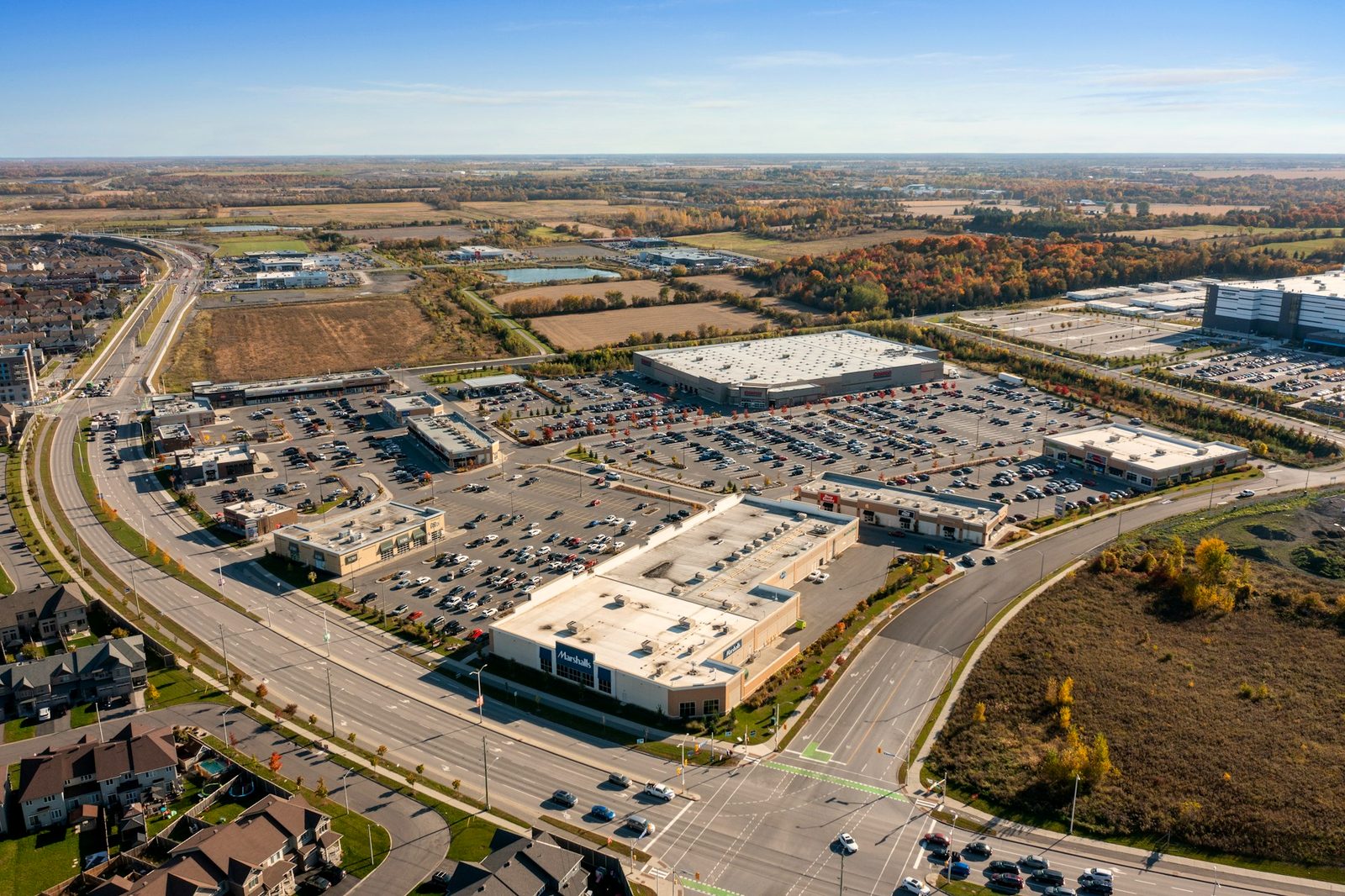
Commercial and industrial buyer's advocacy for income-producing property. We help buyers source, assess and negotiate office, retail, medical, industrial, logistics, mixed-use and development-site briefs. Each asset is tested against lease quality, yield, tenant risk, capex, planning controls and market evidence before offer.
Across Australia's major markets and emerging hubs, sourced off-market through top-tier selling agents.

Homemaker and bulky-goods anchors on long leases with national tenants. High-traffic, low-churn formats built for durable cashflow.

Neighbourhood, suburban and flagship retail. Strong tenant mix, underutilised value-add opportunities, and community anchors.
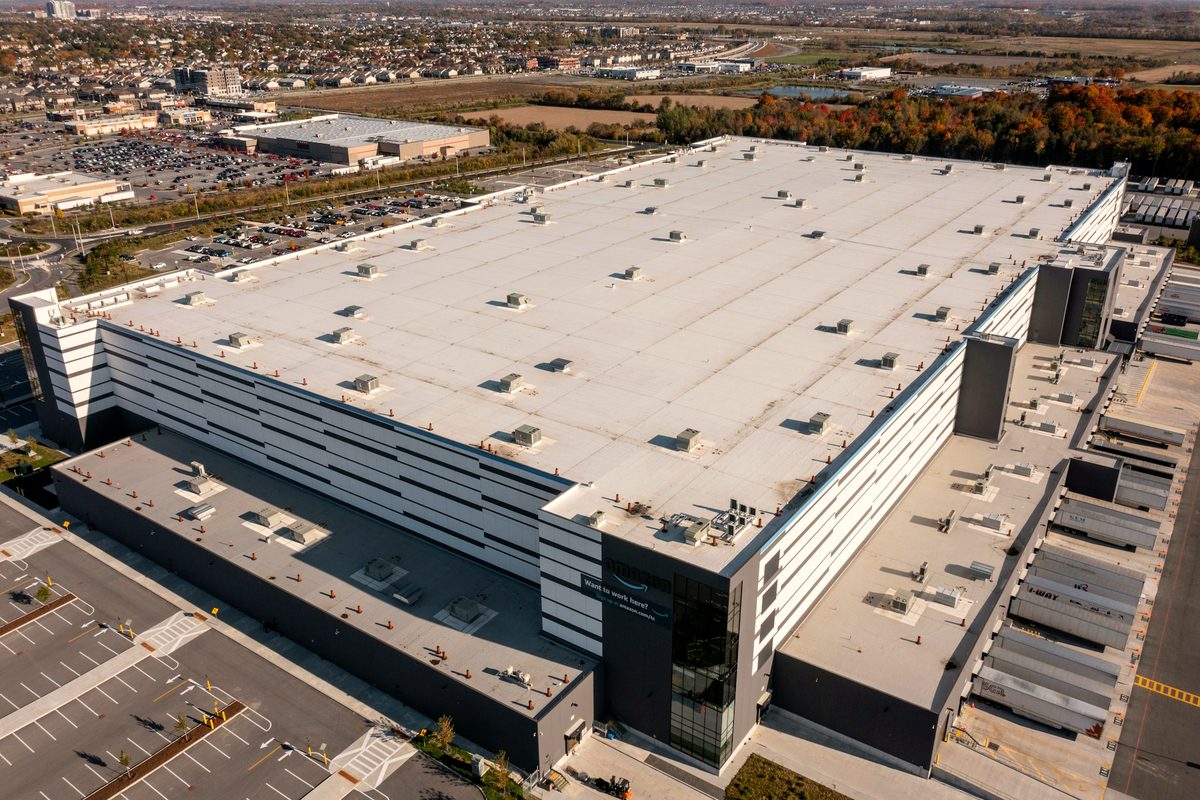
Strategic logistics hubs, modern e-commerce facilities, and manufacturing-grade properties. Supply chain resilience and yield focus.
Neighbourhood strips, anchor-and-specialty centres, and metropolitan corner retail. Resilient daily-needs tenants in established catchments.

Retail-office combinations, hotel-retail hybrids, and lifestyle precincts. Diversified income streams and placemaking value.

Strategic vacant land, sites with development potential, and pre-zoning opportunities. Value creation through entitlements.

Written due diligence covering title, lease, planning, building, market and financial assumptions, applied at private-buyer scale. Buyer briefs are circulated to CBRE, JLL, Colliers, Knight Frank, Cushman & Wakefield, Stonebridge, Burgess Rawson and the regional and boutique commercial agencies that hold relevant stock, surfacing opportunities before they reach the open market where the asset and brief warrant it.
The right commercial asset depends on the brief. For some clients, the priority is long WALE and income certainty. For others, it is reversion, redevelopment potential, tenant repositioning or yield spread. We define the investment criteria with you before going to market, targets below are illustrative ranges from past briefs, not universal rules.
Long-WALE briefs target income certainty; reversion briefs accept a shorter lease tail to reset rents at market. Neither is "better", the brief decides. We model both the lease-tail risk and the reversion upside before recommending.
A 7% yield from a private single-tenant on a 1-year option is not equivalent to a 5.5% yield from an ASX-listed national on 8 years firm. We stress-test yields against tenant covenant, lease structure, capex liability and debt assumptions before signing off.
Buyer briefs reach the major firms (CBRE, JLL, Colliers, Knight Frank, Cushman & Wakefield) and regional/boutique agencies who hold relevant stock for the asset class. We do not publish an agent-database count because direct principal relationships matter more than database size.
Title, lease, planning, building condition, capex, environmental and market evidence, written up, sourced and timestamped. Specialist inspections (building, environmental, valuation) commissioned independently of the selling side.
Active across every Australian capital city and the regional centres where commercial briefs make sense. Buyer-side mandates only, we do not also act for vendors or developers on the same transaction.
Credit profile of occupiers (ASX-listed, private, government), single- vs. multi-tenant structure, sector exposure. The acceptable covenant range varies by brief, a defensive income brief and a reversion brief score the same tenant differently.
These three terms drive most commercial pricing. We assume nothing about prior familiarity.
Weighted Average Lease Expiry. The remaining lease term across all tenants in the property, weighted by how much rent each tenant pays. A WALE of 6 years means, on a rent-weighted basis, the average tenant has 6 years left on their lease. Higher WALE generally means more income certainty.
Capitalisation rate. Net annual rent divided by the purchase price, expressed as a percentage. A 6% cap rate means the property's net income is 6% of what you paid. Lower cap rates usually reflect better leases, stronger tenants or better locations; higher cap rates compensate for risk.
How reliable the tenant's income is. An ASX-listed national chain on a long lease is a "strong covenant". A private single operator on a month-to-month option is a "weak covenant". Covenant strength is one of the biggest drivers of the price a property commands, sometimes more than the building itself.
Every commercial recommendation should show its working: comparable sales, lease evidence, yield assumptions, tenant risk, planning controls, capex risk and settlement conditions. The buyer should be able to see why a property is being recommended, not just that it is available.
Search a suburb to see recent comparable evidence we hold. Coverage is national but uneven, we will tell you if the dataset is too thin for the brief.
Goals, brief, criteria
Off-market network
Full risk analysis
12-step settlement

That's how we run commercial briefs.
A worked example of the kind of artifacts you receive on a commercial buyer's-side engagement. Figures are illustrative, an anonymised composite of past briefs, not an active offering.
| Risk | Rating | Rationale |
|---|---|---|
| Tenant covenant | Low | ASX-listed parent, FY25 net debt/EBITDA 1.4x, 138 stores trading. Parent guarantee in place. |
| Lease tail / reversion | Low | 6.2 years firm + options. Rent ~5% below market, option reviews will close the gap. |
| Capex liability (10-yr) | Medium | Roof and HVAC at ~18 years, replacement budget of $385k landlord-side identified by independent building consultant. |
| Planning / overlay | Low | B6 Enterprise Corridor, no heritage or flood overlay. Bulky goods use permitted with consent (current). |
| Environmental | Medium | Adjacent former service-station site, Phase 1 ESA clean for subject lot; vendor warranty added to contract for prior contamination liability. |
| Market evidence | Low | 9 comparable bulky-goods sales in the catchment over the prior 24 months. Yield band 6.10–6.85% net; subject pricing at 6.45%. |
Asking price $19.2M (6.25% net). Comparable evidence (9 bulky-goods sales, 24 months) sits 6.10–6.85% net; subject is mid-band on covenant strength but carries identified roof/HVAC capex of $385k over 10 years.
We discounted the capex liability against price ($385k face value, ~$310k NPV at 7%) and tightened from asking by 3.1%. At $18.6M / 6.45% net the buyer is paying a 20bp premium over the median comparable, justified by parent-guaranteed national covenant, fixed 3.5% rent reviews and tenant-pays OPEX.
Conditions added: vendor contamination warranty (adjacent service-station legacy), independent valuation at or above $18.6M for finance, and roof works to commence in year 2 with a $200k landlord rebate negotiated at option exercise.
Asset: Suburban office building, regional Victoria, 1,850 sqm NLA. Asking price equated to a 7.4% headline yield, 80bp above comparable evidence. Single tenant, professional services firm, lease tail 2.3 years with one 3-year option.
What DD found: Building survey identified facade rectification and concrete spalling at $620k over 3 years, landlord-side, not recoverable. Tenant had downsized headcount 28% over 18 months and indicated to the selling agent (off the record) that the option would not be exercised. Comparable evidence for re-letting at the contract rent was thin; the realistic market rent on re-letting was 22% below in-place rent.
Recommendation: Walk away. Headline yield was attractive in isolation but the combination of capex shortfall, near-term reversion risk and weak re-letting comparables meant the buyer was paying a stabilised-asset price for an asset that would need to be repositioned within 24 months. The buyer accepted the recommendation and re-deployed capital into a different opportunity 4 months later.
Buyer-side advocacy means saying no when a property does not stand up to its own pricing. These are the most common reasons we recommend a buyer walk, either at offer or during DD, even on assets that look attractive at headline level.
Building survey identifies 10-year landlord capex that the headline yield does not absorb, and the vendor will not move on price.
Lease tail expires inside 36 months and the realistic re-letting rent is materially below the in-place rent, the asset is over-rented and priced as if it isn't.
Tenant covenant proves materially weaker than the marketing suggested, private operator, no guarantor, recent trading issues, and the yield does not compensate.
Phase 1 / Phase 2 ESA flags contamination liability the vendor refuses to warrant or indemnify, and the cost-to-remediate is material to the deal.
A heritage, flood, bushfire or zoning overlay constrains the use case the buyer is paying for, e.g. development upside or change-of-use no longer realistic.
Comparable sales / lease evidence are too thin to defend the pricing, a private-market asset that cannot be triangulated against credible market data.
Comparable-sales and agency-network claims should be substantiated, not asserted. Here is what we use, how often it is refreshed, and what we will not claim.
Recommendations are backed by recent, sourced comparable sales drawn from public listings (REA Commercial, realcommercial.com.au, Domain Commercial), state titles offices, and published broker market updates. Each comparable is dated, attributed, and shown in the written report.
Coverage is national but uneven by sub-market. We will flag where evidence is thin for the brief.
Sector yields cross-checked against published Knight Frank, Savills, Colliers and JLL series (prime CBD office, sub-regional retail, prime industrial). We cite the series and the publication date in the report, not a generic range.
Yield series move; a benchmark older than 3 months is flagged as such.
Brief distribution reaches the major national commercial firms and the regional / boutique principals who hold relevant stock for the asset class. We do not publish a database agent-count because not every contact is equivalent, a direct principal relationship is worth more than ten generic database entries.
If a brief sits in a sub-market we don't cover well, we will say so before engagement.
Planning controls, heritage, flood, bushfire and overlay information sourced from state planning portals (Planning NSW, Vicplan, etc.) and the relevant council. Maps, zone codes and notification searches are date-stamped in the report.
Planning data shifts, we re-check at exchange, not just at offer.
Tell us your asset class, price range, and timeline. We'll review fit against our current pipeline and book a strategy call, usually within one business day.
Whether the brief is office, retail, medical, industrial, logistics, mixed-use or a development site, we apply written due diligence and off-market sourcing on a buyer-side mandate. The first call sets the brief, before we commit you to any engagement.
Book a Strategy Session