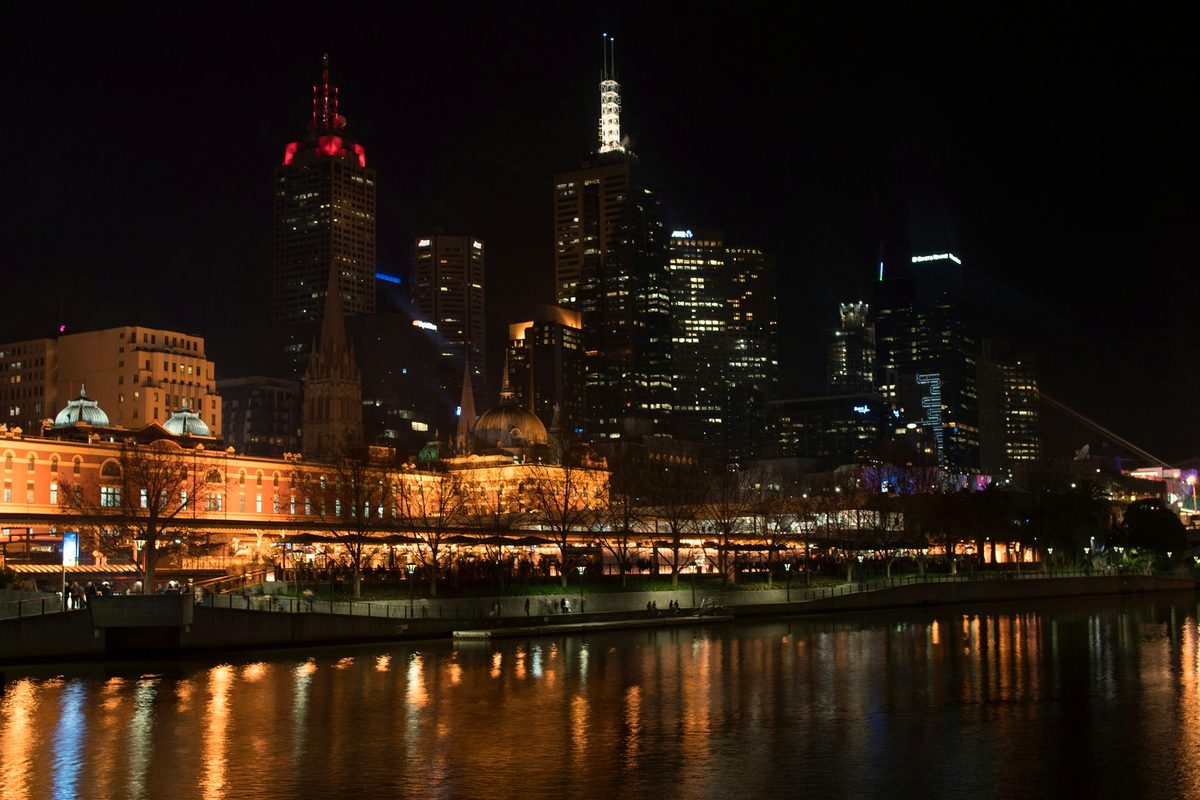
Melbourne's property market is one of the most competitive in Australia. With a population that continues to grow steadily, a diverse economy anchored by healthcare, education, finance, and technology, and a cultural identity that consistently ranks it among the world's most liveable cities, Melbourne attracts buyers at every level -- from first-home purchasers through to institutional investors acquiring commercial portfolios.
For many of those buyers, navigating Melbourne's market without professional representation means competing against agents, developers, and experienced investors who understand the city's micro-markets intimately. This is where a buyer's agent becomes a genuine advantage rather than a luxury.
A buyer's agent works exclusively for the purchaser. Unlike a selling agent, whose obligation is to the vendor, a buyer's agent's only job is to secure the best possible outcome for the person buying.
Melbourne Market Overview
Melbourne's property market is characterised by its sheer size and the diversity of its sub-markets. The metropolitan area spans more than 9,900 square kilometres, encompassing established inner-city suburbs with heritage housing stock, middle-ring areas undergoing significant urban renewal, and outer-growth corridors where new residential estates are being developed at pace.
The city's competitive market dynamics add another layer of complexity. Melbourne consistently records high transaction volumes across both residential and commercial segments, with conditions that shift meaningfully from week to week depending on stock levels, interest rate sentiment, and seasonal patterns. Understanding how to read and respond to these conditions is a core part of effective property acquisition in this market.
Median house prices vary enormously across suburbs -- from well over $3 million in the inner east to under $600,000 in parts of the western and northern growth corridors. This range means that regardless of budget, there is opportunity in Melbourne, but identifying where the genuine value sits requires local knowledge and current market intelligence.
Why Melbourne Buyers Use Agents
There are several reasons buyers in Melbourne increasingly engage buyer's agents, and they go well beyond simply being time-poor.
- Access to off-market properties. A significant portion of Melbourne property transacts before it reaches public listing portals. Buyer's agents who maintain relationships with selling agents across key suburbs can identify these opportunities early, giving their clients first or exclusive access.
- Negotiation discipline. Melbourne's competitive market can push buyers beyond their intended budget, particularly when multiple parties are interested. A buyer's agent brings structured negotiation strategy, reserve price analysis, and the discipline to walk away when the price exceeds fair value.
- Objective assessment. It is easy to fall in love with a property and overlook its flaws. A buyer's agent provides an independent, data-driven assessment of value, condition, and suitability before a commitment is made.
- Negotiation leverage. For private treaty sales, a buyer's agent negotiates directly with the selling agent. This professional-to-professional dynamic often produces better outcomes than a buyer negotiating on their own behalf, particularly on price and contract terms.
- Time and stress reduction. Searching for property in Melbourne can consume dozens of hours per week across inspections, research, and due diligence. A buyer's agent handles this workload, presenting only shortlisted options that meet the agreed criteria.
Key Residential Suburbs to Watch
Inner East
Melbourne's inner east -- suburbs such as Hawthorn, Kew, Camberwell, Balwyn, and Glen Iris -- remains the city's most established and tightly held residential market. These suburbs are defined by tree-lined streets, period architecture, proximity to elite schools, and excellent public transport connections.
The inner east typically offers lower volatility than other parts of Melbourne, though entry prices are high. For buyers seeking long-term capital growth underpinned by scarcity of land and consistently strong demand, the inner east continues to warrant serious consideration. Townhouses and period renovations in these suburbs often represent better relative value than unrenovated houses on large blocks, which attract a deep pool of developer competition.
Inner North
The inner north -- including Fitzroy, Collingwood, Northcote, Brunswick, and Preston -- has undergone a significant transformation over the past two decades. Once predominantly working-class suburbs, these areas now command strong prices driven by lifestyle appeal, café culture, proximity to the CBD, and a diverse housing stock that ranges from Victorian terraces to contemporary apartment developments.
For investors, the inner north offers strong rental demand from young professionals and students, particularly in suburbs close to the University of Melbourne and RMIT. For owner-occupiers, the appeal lies in walkability, public transport access, and a cultural vibrancy that is distinct from Melbourne's eastern and southern suburbs.
Western Growth Corridors
Melbourne's western suburbs -- particularly Footscray, Yarraville, Seddon, Altona, and the growth areas of Werribee and Tarneit -- represent some of the city's most significant value propositions for both investors and first-home buyers.
Major infrastructure investment, including the West Gate Tunnel and ongoing Metro Tunnel connections, is improving accessibility and travel times from the west into the CBD. Suburbs like Footscray, which sit just seven kilometres from the city centre, are experiencing rapid gentrification, with median prices still sitting well below comparable inner-eastern suburbs.
The growth corridors further west offer new-build opportunities at lower price points, though buyers should be mindful of infrastructure lag -- where population growth outpaces the delivery of schools, transport, and retail amenities.
Key Commercial and Industrial Areas
Western Industrial Precincts
Melbourne's western industrial corridor -- spanning Laverton North, Truganina, Derrimut, and Altona -- is one of the most active logistics and warehousing markets in Australia. The proximity to the Port of Melbourne, major freeway networks (the Western Ring Road and West Gate Freeway), and Melbourne Airport makes this corridor highly attractive for supply chain and distribution tenants.
Vacancy rates in prime western industrial space have been tight in recent years, and rental growth has been strong. Investors looking at commercial and industrial property in Melbourne should pay close attention to lease structures, tenant covenant strength, and the age and specification of the building -- older assets may require significant capital expenditure to remain competitive.
South-East Industrial and Commercial
The south-eastern corridor -- including Dandenong South, Hallam, Keysborough, and Moorabbin -- is Melbourne's other major industrial hub. Dandenong South, in particular, is one of Australia's largest industrial precincts by area, with a diverse tenant mix spanning manufacturing, food processing, transport, and technology.
For commercial office and retail investment, suburbs along the Monash corridor (Clayton, Glen Waverley, and Box Hill) are benefiting from the Suburban Rail Loop project, which -- once delivered -- will significantly improve connectivity across Melbourne's middle and outer eastern suburbs. Early-stage investment in precincts earmarked for improved transport infrastructure can offer compelling long-term value, though investors should be realistic about delivery timelines.

Competitive Markets and Why Agents Help
Melbourne's property market is one of the most competitive in Australia. High transaction volumes across both residential and commercial segments create both opportunity and risk for buyers, particularly those competing against well-resourced local and interstate investors.
A buyer's agent brings discipline to this process. Before making any offer, they will have conducted a thorough comparable sales analysis to establish a defensible valuation range. They will have reviewed the property, examined the Section 32 vendor's statement, and identified any issues that could affect value. They negotiate to secure the property at or below fair value, or walk away if the price exceeds it.
For properties where the vendor's expectations are not met, a buyer's agent can negotiate directly with the selling agent, often securing favourable terms when the vendor is most motivated to deal.
Typical Fees in Melbourne
Buyer's agent fees in Melbourne vary depending on the scope of service, the property type, and the price bracket. The most common fee structures are:
- Fixed fee. A flat fee agreed upfront, typically ranging from $10,000 to $25,000 or more for residential properties. This is the most transparent model and is becoming increasingly common.
- Percentage of purchase price. Usually between 1% and 3% of the final purchase price. This model aligns the agent's fee with the value of the property, though some buyers prefer the certainty of a fixed fee.
- Tiered or hybrid. Some agents charge a smaller fixed engagement fee plus a success fee on settlement. This reduces the upfront cost while still incentivising the agent to complete the purchase.
When comparing fees, consider the full scope of service. A lower fee that covers only property search is not directly comparable to a higher fee that includes search, shortlisting, due diligence coordination, negotiation, and post-purchase settlement support. The value of a buyer's agent is measured not just in the fee paid but in the price negotiated, the risks avoided, and the time saved.
How to Verify Licensing
In Victoria, buyer's agents must hold an estate agent's licence issued by the Business Licensing Authority (BLA), which sits within Consumer Affairs Victoria. This is a non-negotiable requirement -- it is illegal for an unlicensed person to act as a buyer's agent for reward in Victoria.
Before engaging a buyer's agent, take the following steps:
- Check their licence. You can verify an agent's licence status through the Consumer Affairs Victoria website (consumer.vic.gov.au). Search by the individual's name or the business name to confirm that the licence is current and in good standing.
- Confirm professional indemnity insurance. A reputable buyer's agent will carry professional indemnity insurance to protect both themselves and their clients in the event of an error or omission.
- Ask about professional standards. Membership of professional bodies such as the Real Estate Institute of Victoria (REIV) or other recognised industry organisations indicates a commitment to professional standards and ongoing education, though membership alone is not a substitute for a valid licence and demonstrated results.
- Review their authority to act. Before a buyer's agent can act on your behalf, they must provide you with a written authority to act (sometimes called a buyer's agency agreement). This document should clearly set out the scope of services, the fee structure, the duration of the engagement, and your rights as a consumer.
Questions for Your First Meeting
When you meet with a prospective buyer's agent for the first time, the conversation should help you assess their expertise, their approach, and whether they are the right fit for your specific requirements. Consider asking:
- What suburbs and property types do you specialise in? A buyer's agent with deep knowledge of the specific market you are targeting will deliver better results than a generalist covering all of Melbourne.
- How do you source off-market properties? Understanding their network and sourcing methodology gives you insight into the breadth of opportunities they can access on your behalf.
- What does your due diligence process look like? A thorough buyer's agent will coordinate building inspections, pest inspections, contract reviews, and comparable sales analysis before recommending any property.
- How many clients are you currently working with? An agent managing too many clients simultaneously may not be able to give your search the attention it deserves.
- Can you provide references from recent clients? Speaking with past clients is one of the most reliable ways to assess the quality of service you can expect.
- What happens if we do not find a suitable property within the engagement period? Understanding the terms around extension, termination, and refunds ensures there are no surprises down the track.
- How do you handle competitive negotiations? Understanding their negotiation philosophy and approach to multi-party situations is essential.
The best buyer's agents are educators as much as they are negotiators. They should be willing to explain their reasoning, share their market data, and help you build the confidence to make informed decisions.
Melbourne's property market rewards those who are prepared, informed, and patient. Whether you are buying your first home, expanding an investment portfolio, or acquiring a commercial asset, engaging a qualified buyer's agent can materially improve the outcome -- not just in the price you pay, but in the quality of the asset you secure and the risks you avoid along the way.