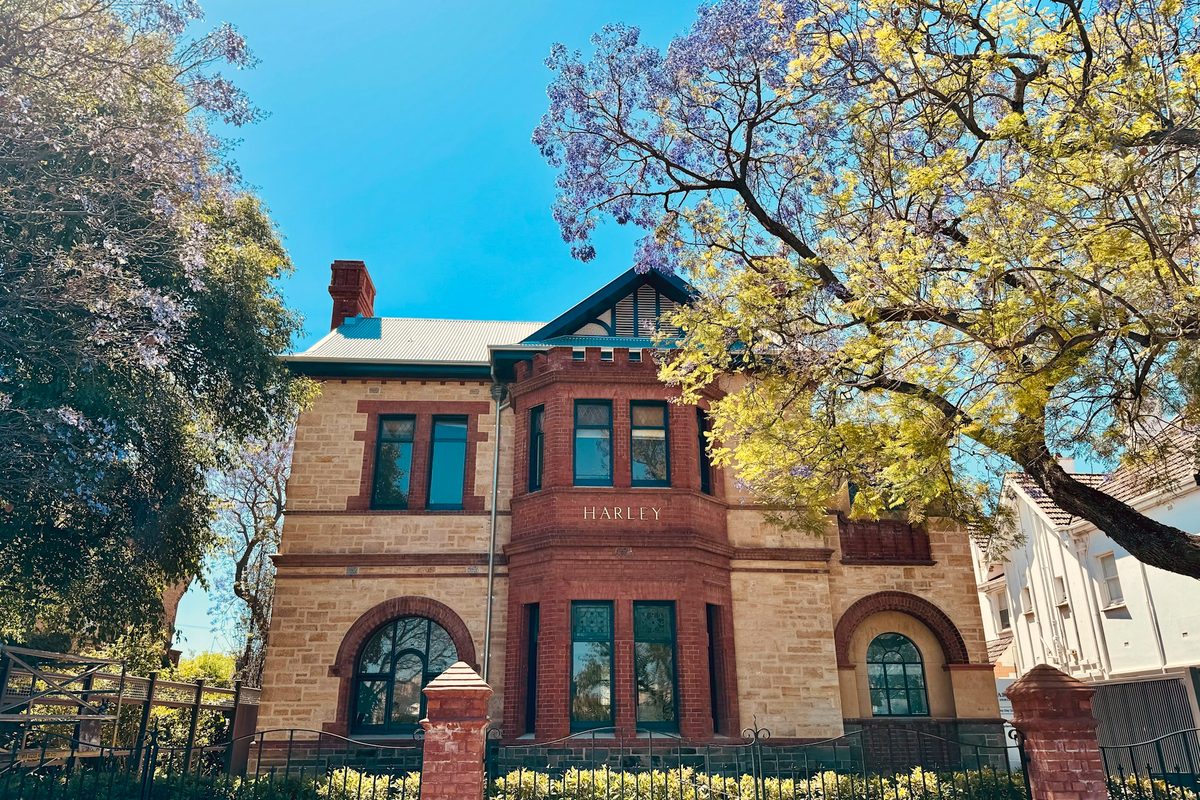
The Sunshine Coast is one of the fastest-growing metro regions in Australia. Population growth has consistently outpaced national averages, the Maroochydore CBD has been the subject of one of the largest greenfield CBD developments in the country, and the University Hospital precinct has driven a substantial healthcare and allied-services economy. For private commercial investors, the Sunshine Coast offers a deeper investment-grade market than the headline population would suggest.
This guide covers the Sunshine Coast submarkets for private buyers: Maroochydore, Caloundra, the Sunshine Coast University Hospital precinct, Noosa, and the broader regional economy.
The Sunshine Coast is a growth-led commercial market. The buyer-side discipline is reading whether the growth thesis is already priced into the cap rate or whether the asset is acquirable at a value point that compensates for the growth trajectory.
The Sunshine Coast Submarkets
Maroochydore
The CBD is undergoing the largest greenfield CBD development in Australian history. A and B grade office, retail, and mixed-use commercial form the core. Institutional and corporate tenancy demand has grown materially since 2020.
Caloundra
Suburban office, neighbourhood retail, and mixed-use commercial along Bulcock Street and the Caloundra Road corridor. Tourism-adjacent but with a substantial permanent population base.
Kawana and the Hospital Precinct
The Sunshine Coast University Hospital is the anchor of a deep healthcare and allied-services commercial market. Medical consulting, specialist health, day surgery, and allied health tenancies dominate the precinct.
Noosa and the hinterland
Boutique retail, tourism-led F&B, and lifestyle commercial. Tightly-controlled planning environment limits new supply; existing stock is premium.
Coolum, Mooloolaba, Mountain Creek
Suburban centres with retail, services, and small-format commercial. Owner-occupier-heavy in some segments; investor-grade stock is thinner than Maroochydore.
1 The Growth Thesis
The Sunshine Coast population has grown faster than the national average across the past three census periods. Net interstate migration, particularly from Sydney and Melbourne, has been substantial. The implications for commercial property are direct: demand for retail, healthcare, education, and supporting commercial services grows with the population.
The buyer-side question is whether the growth thesis is already priced. Cap rates on Maroochydore A grade have compressed materially since 2018; the entry yield reflects market expectation of continued growth. An asset acquired at a price that requires the growth thesis to play out leaves little margin if the trajectory disappoints.
2 The Healthcare Precinct
The Sunshine Coast University Hospital and adjacent private hospital cluster have anchored a healthcare commercial precinct that competes with the Brisbane hospital precincts on covenant strength and operator depth. Specialist medical, day surgery, pathology, and allied health are all active investment sub-segments.
For investors targeting healthcare property, the precinct offers institutional-grade depth without metro-Brisbane pricing. Yields on medical consulting in the precinct sit wider than Brisbane CBD or Northside hospital-adjacent medical, on comparable covenant.
3 Tourism vs Permanent Economy
Sunshine Coast tourism is structurally substantial but the permanent population economy now dominates total economic activity. Commercial assets serving the permanent population (suburban retail, healthcare, professional services) have less cyclical income than tourism-led assets (Noosa F&B, accommodation freeholds).
The buyer-side reading: a permanent-population-served asset can be underwritten on standard commercial metrics; a tourism-led asset needs the additional tourism-cycle analysis covered in the Gold Coast article.
4 Build Cost and Replacement
Sunshine Coast construction costs have increased materially since 2020, in line with broader Australian construction inflation. Existing commercial stock benefits from this replacement-cost dynamic, particularly in submarkets where new supply is constrained by zoning or land availability.
5 QLD Buyer-Side Considerations
QLD stamp duty, land tax (with aggregation), AFAD (foreign acquirers), and the Retail Shop Leases Act all apply. Council planning is administered by Sunshine Coast Council across most of the region (with Noosa Shire Council managing Noosa and surrounds separately).
6 How We Run a Sunshine Coast Brief
Eight to twelve weeks. The local agency network is shallower than Brisbane; we work the national agencies plus the SEQ boutiques who hold sub-$8 million stock. Inspection from Brisbane is straightforward.
Frequently Asked Questions
Is the Sunshine Coast a separate market or part of Brisbane?
Both. Institutional-grade industrial and large-format trade as part of the SEQ market; locally-anchored commercial trades on Sunshine Coast specific drivers. The asset class determines which lens to use.
What's the typical yield range?
Yields move with cycle. Sunshine Coast yields generally sit close to Gold Coast on comparable assets, with the hospital precinct medical at the tighter end and tourism-led F&B at the wider end.
Is the Maroochydore CBD development a buying opportunity?
The CBD development supports a long growth thesis. The question for each specific asset is the entry yield versus the projected NOI growth over a hold period.
Does Noosa commercial trade differently?
Yes. Tightly controlled planning, premium positioning, and a tourism-led lifestyle economy produce a separate sub-market with different lease structures and operator dynamics.