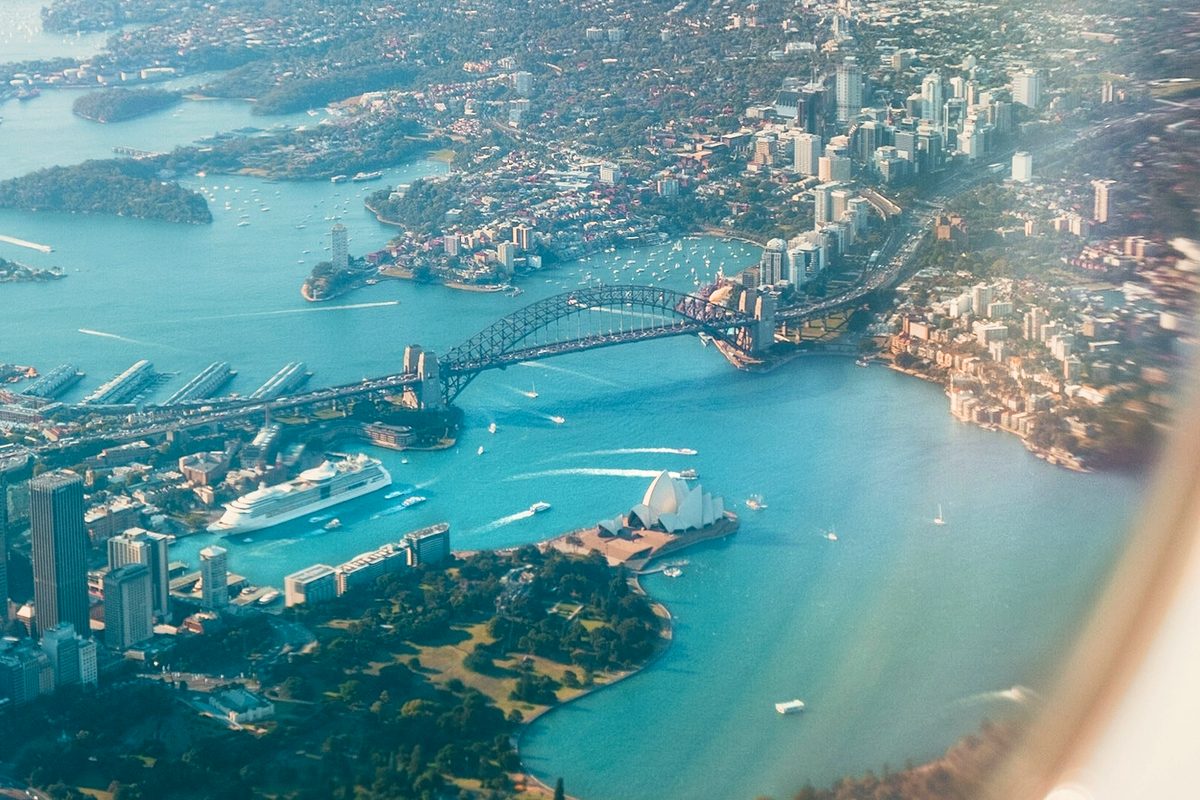
Sydney is the largest commercial property market in Australia by capital value and the most tightly held by long-dated institutional and family-office capital. For private investors at the $2 million to $30 million ticket band, the gap between an on-market listing and an asset that fits a specific brief is wider here than in any other state. A buyer-side mandate, run well, compresses that gap into something a private buyer can actually settle.
This article covers how a Sydney commercial buyer's agent works in practice: the submarkets we cover, the asset classes that trade, the underwriting questions that matter most in the Sydney market, and how fees and engagement work.
Sydney rewards patience and punishes speed. The best off-market opportunities reach a small circle of buyer-side mandates first. Without a mandate and the brief that goes with it, you sit on the public list with everyone else.
What a Sydney Commercial Buyer's Agent Does
A buyer's agent is engaged by the purchaser, paid by the purchaser, and acts only for the purchaser. The work breaks into four phases: brief, sourcing, due diligence, and negotiation through to settlement. Each phase has Sydney-specific considerations that change the playbook against other capitals.
- Brief. Asset class, geography, target yield, capital structure, and exit horizon. In Sydney the budget conversation is often where the brief gets recalibrated, because the asset that matches the client's intent sits at a different price band than they expected.
- Sourcing. National agent network plus the Sydney-specific brokers who hold sub-institutional stock. Off-market and quiet-campaign opportunities are circulated to mandated buyers before they hit the open market.
- Due diligence. Written assessment of lease, building condition, environmental, planning overlays (LEP, DCP, Section 10.7 certificates), tenant covenant, and comparable sales. Heritage and conservation areas across the eastern suburbs and inner west require a deeper planning read than other metros.
- Negotiation and settlement. Offer strategy, contract conditions, and progression to settlement. Sydney's solicitor and conveyancer market is deep but quality is uneven; we work with a small panel and recommend in scope.
1 The Sydney Submarkets That Matter
CBD and fringe
A-grade and B-grade strata office, retail strip in the laneways and arcades, hotel and serviced apartment leasehold, and ground-floor retail in residential mixed-use towers. Capital values are at the top of the national range, and yields are correspondingly compressed.
Eastern suburbs and inner west
Boutique retail in Paddington, Surry Hills, Newtown, and Balmain. Suburban office spread thinly across Crows Nest, North Sydney fringe, and Pyrmont. Heritage and conservation overlays are common and need to be cleared as a precondition of offer.
North Sydney corridor
St Leonards, Crows Nest, Chatswood, Macquarie Park. Office stock with mixed tenant covenant, some pharmaceutical and biotech occupiers, and a development pipeline that needs to be weighed against existing supply.
Western Sydney
Parramatta CBD office, Liverpool and Penrith retail and large-format, and the industrial spine from Wetherill Park through Eastern Creek to Erskine Park. Western Sydney industrial has had the deepest run of any submarket in the country and the pricing reflects that; the underwriting is the same but the entry yield has moved.
Sutherland Shire and southern Sydney
Small-format retail, neighbourhood centres, and trade-zoned industrial along the Princes Highway corridor.
2 Asset Classes by Buyer Profile
The right asset class depends on who you are and what the capital is for.
Long WALE single-tenant
National retailer or service tenant, ten years plus remaining, CPI plus fixed minimum reviews, outgoings on the tenant. The covenant is the asset; the building is incidental until the lease expires.
Multi-tenant office or retail
Three to eight tenancies, mixed WALE, recurring management overhead, and re-leasing risk. Higher entry yield but a higher operating burden and a more active capex profile.
Industrial
Logistics, light manufacturing, and trade. Sydney west industrial is institutional-grade at scale and family-office-grade in the $5 million to $20 million band. Clear height, access, and power are the underwriting trio.
Mixed-use and shop-top residential
Ground-floor retail with one or two residential strata lots above. Split yield profile, mixed lender appetite, and a body corporate the buyer needs to read carefully.
3 Sydney-Specific Underwriting Questions
Planning and overlays
Section 10.7 certificates are foundational. Buyer-side review of the certificate, supporting LEP, and any Development Control Plan (DCP) provisions is the planning piece of DD. Heritage listings and conservation areas add a layer; we check both state and local heritage registers.
Environmental
EPA NSW maintains a contaminated land register, and pre-1980s industrial sites across the inner south and inner west have a higher base-rate of contamination liability than other states. Phase 1 ESA is standard; Phase 2 is added where Phase 1 flags a credible source.
Lease and covenant
Retail leases in NSW are governed by the Retail Leases Act 1994. The disclosure statement and lease are read together; an outdated or missing disclosure can shift bargaining position at renewal. Commercial leases are governed by the contract.
Buyer side of the contract
Cooling-off does not apply to commercial transactions in NSW. The contract is binding on signing, subject to the conditions agreed. Buyer-side legal review before exchange is essential, and the conditions you negotiate are the only protection you have post-exchange.
4 How We Run a Sydney Brief
Engagement, brief, sourcing, DD, negotiation, settlement. The shape is the same as other capitals but the cadence is faster: Sydney commercial moves quickly when the right asset surfaces, and buyer-side decisiveness is the value-add.
A typical engagement runs eight to fourteen weeks. The first four are brief and sourcing. The next four are DD on the preferred candidate. The final four are contract, finance, and settlement.
5 Fees
Bold's fee structure for Sydney mandates is the same as every other state: a modest engagement retainer at brief, balance on settlement. No vendor commissions, no kickbacks from lenders or valuers, no product introductions. The engagement letter sets out the scope, fee, and what is in and out.
Frequently Asked Questions
Do you work across all of Sydney, or only the eastern suburbs?
All of Sydney, including Western Sydney and the Sutherland Shire. The brief sets the geography; we do not have a captive territory.
Can you act on a mixed-use ground-floor retail with a residential lot?
Yes. We split the underwriting between the commercial component and the residential component, and read the body corporate before offer. Lender appetite differs across the two halves and the engagement letter notes the structure up front.
What's the smallest deal you'll act on in Sydney?
The economics work from around $1.5 million on the buyer side. Below that, the fee is a larger proportion of the transaction and the asset class is typically narrower than a national mandate can serve well.
Do you cover off-market only, or on-market too?
Both. The brief sets the channels. A genuinely brief-fit on-market listing is just as buyable as an off-market one; what matters is the fit, the price, and the negotiated terms.